Time for Provincial Status

Islamabad Capital Territory covers approximately 906.5 km² and had a population of 2,363,863 (2.36 million) in Pakistan’s 2023 Digital Census. As the federal capital, it hosts the country’s key national institutions, yet a growing population, urban infrastructure demand, and public-service needs raise a direct question: should Islamabad have an elected provincial government, with legislative and administrative autonomy, its own accountable executive, and stronger representation for local residents? The case for provincial status rests on democratic representation and more responsive governance. Any change would still require careful constitutional and financial planning.

Key Socio-Economic Indicators
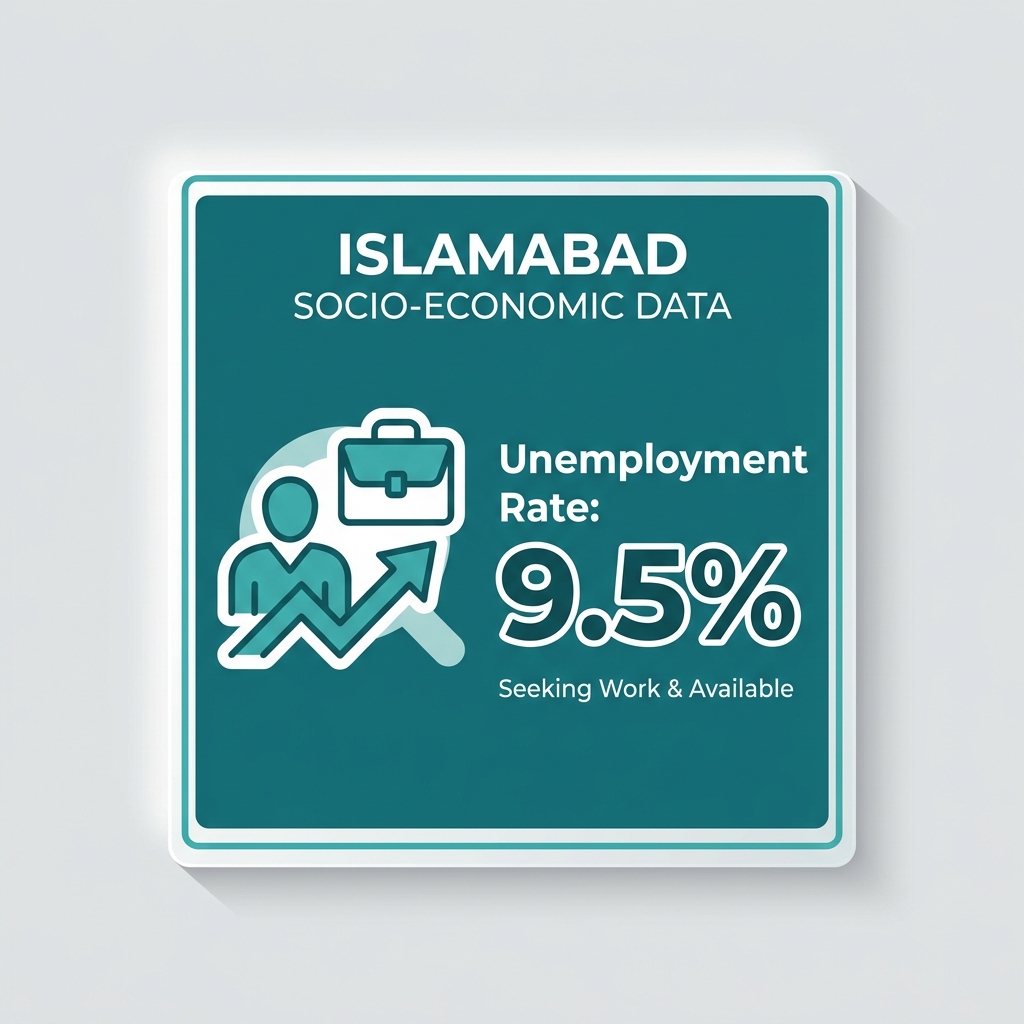
Unemployment Rate 9.5%
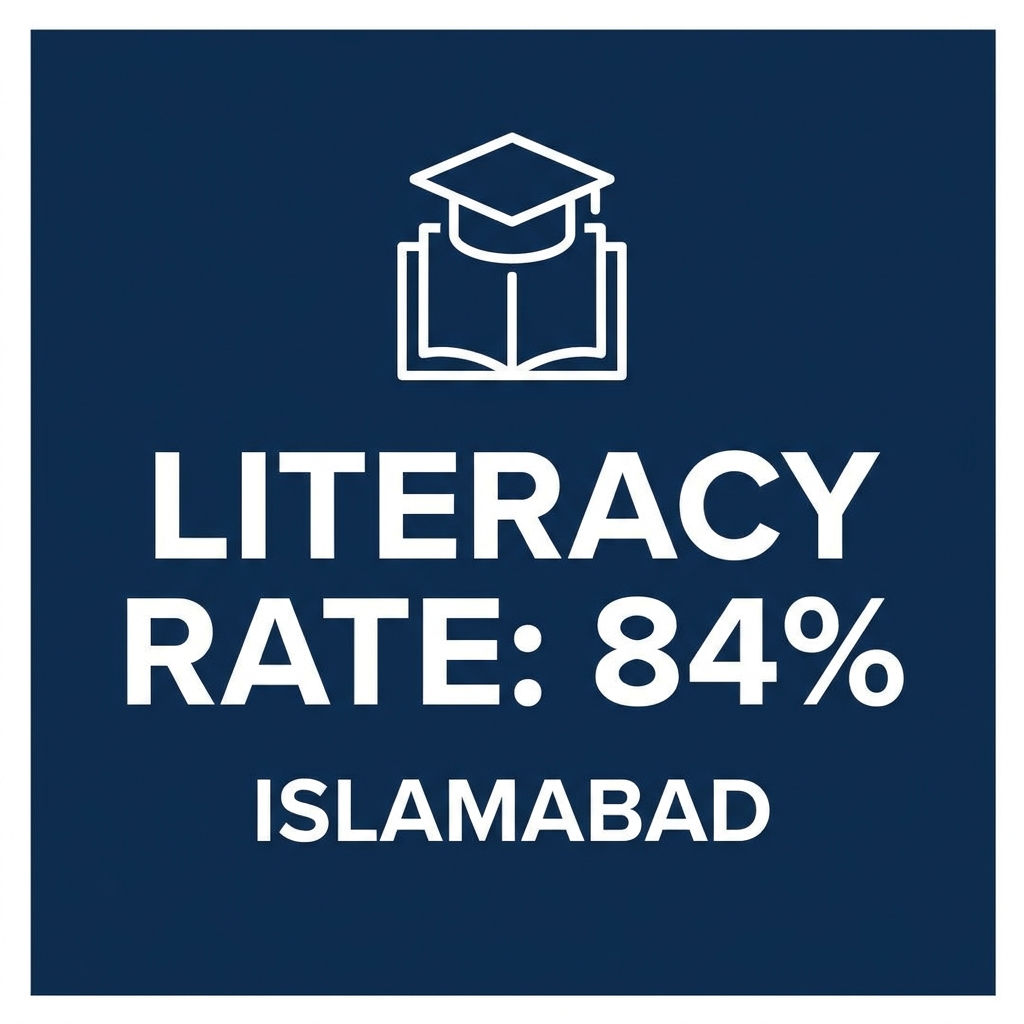
Literacy Rate 84%
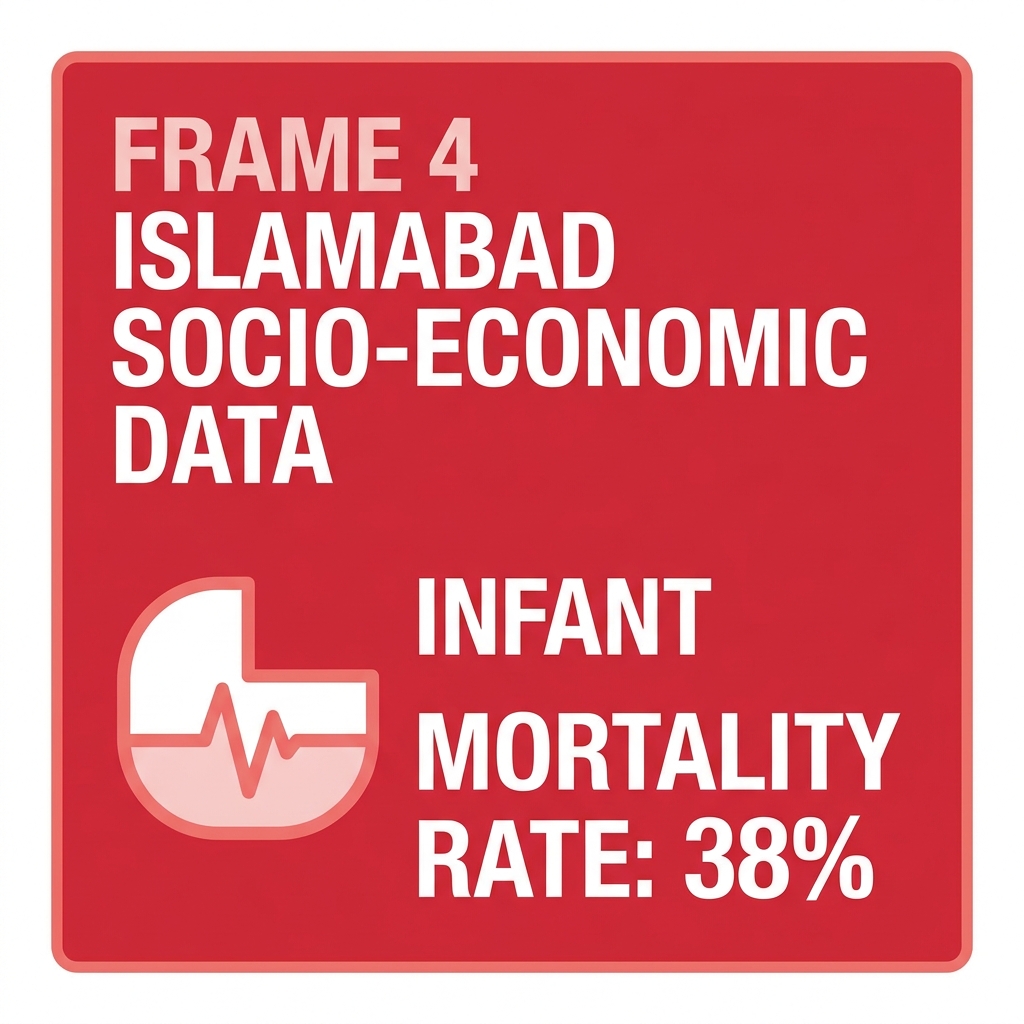
Infant Mortality Rate 38
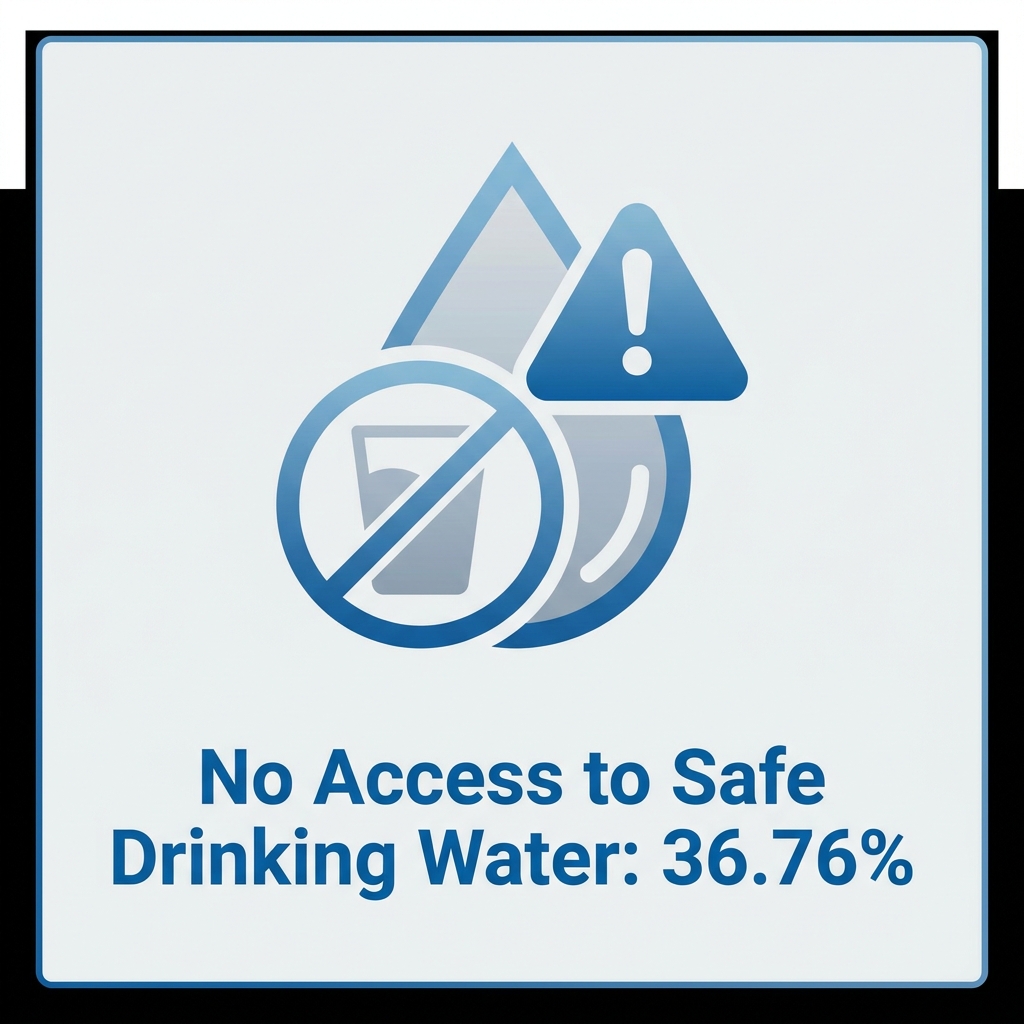
No Access to Safe Drinking Water 36.76%
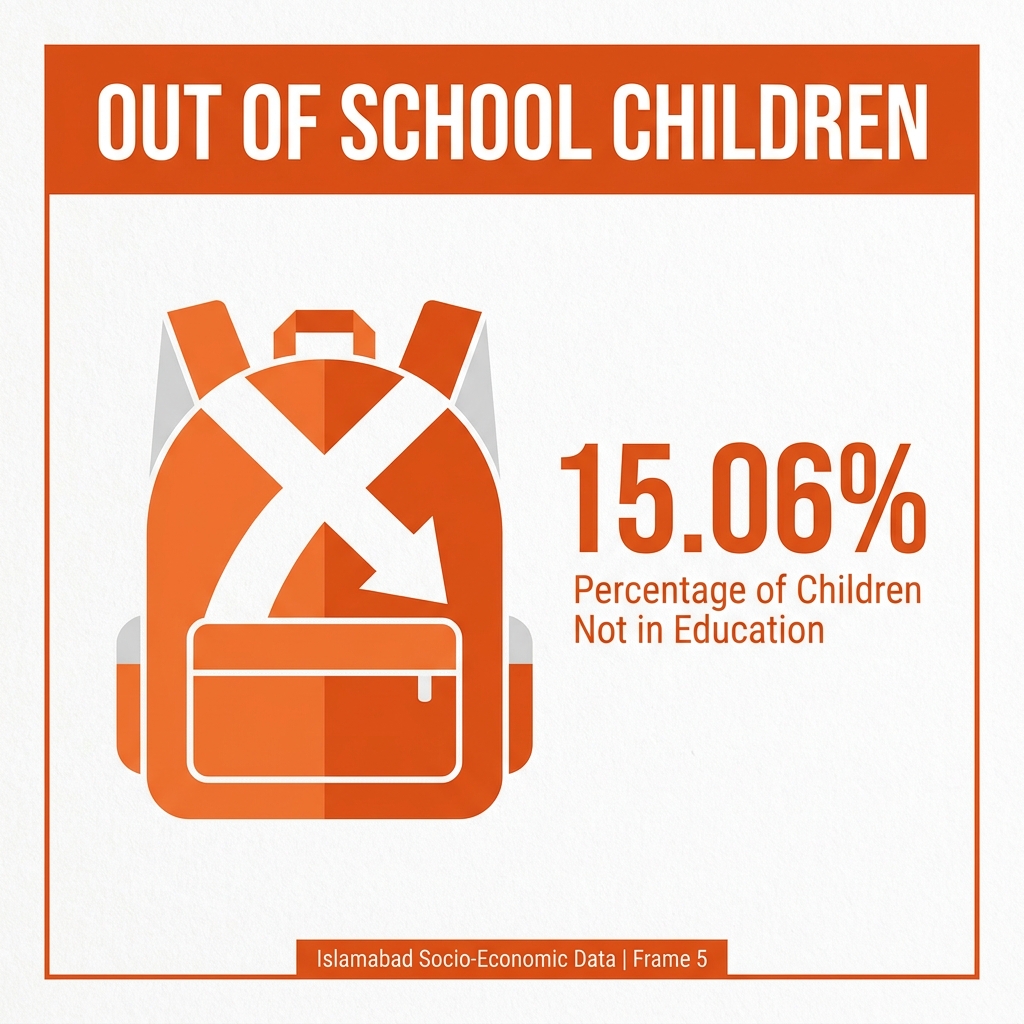
Out of School Children 15.06%
Unemployment rate — 9.5%
Literacy rate — 84%
Infant mortality rate — 38
No access to safe drinking water — 36.76%
Out of school children — 15.06%
01
District
01
Tehsil
04
Qanungo Halqa (QH)
0
Population (2023 Census)
906.5
Area (km²)

Key Challenges

Islamabad, despite being Pakistan’s federal capital and a major administrative and economic centre, faces growing urban challenges: pressure on healthcare, educational inequalities, water shortages, inadequate sewage treatment, and limited employment opportunities in peripheral areas. Rapid urbanisation and uneven development between urban and rural communities continue to affect residents’ quality of life.

  • Health Overload:
    Islamabad’s major public hospitals, particularly PIMS and Polyclinic, face growing patient demand, while the government has acknowledged the need to expand primary healthcare and medical facilities.
  • Education Shortfalls:
    Teacher shortages in public schools, particularly in rural areas, have prompted government intervention; the federal education ministry has also launched an enrolment campaign targeting out-of-school children across ICT.
  • Sewerage Pollution:
    Sewage treatment infrastructure faces capacity and monitoring problems. A 2025 Pak-EPA inspection raised concerns about the operation and laboratory facilities of a CDA sewage treatment plant.
  • Drinking Water:
    Water scarcity and contamination remain serious concerns: PCRWR’s October 2024 assessment found 24% of sampled household tap-water supplies unsafe for drinking.
  • Employment Challenges:
    Islamabad recorded an unemployment rate of 7.1% in the 2023 Census, while approximately 40.3% of its youth aged 15–24 were neither employed nor in education.
  • Budget Allocation:
    Islamabad received Rs 2 billion under the FY 2025–26 Federal PSDP for 13 ongoing development schemes, including sewerage improvements and rural road rehabilitation, highlighting the need for sustained investment in local infrastructure.
Islamabad Province

Governance Deficits

Sewerage Overload

Islamabad has one sewerage disposal plant, in Sector I-9/1. Three phases were non-functional.

Phase IV treatment against design capacity:

Treated
1.5 MGD
Design capacity
10 MGD

Treated effluent was discharged into Nullah Lai instead of being used for landscaping or horticulture. The shortfall is driven mainly by leakages and clogging in the sewerage network.

Poor Road Infrastructure

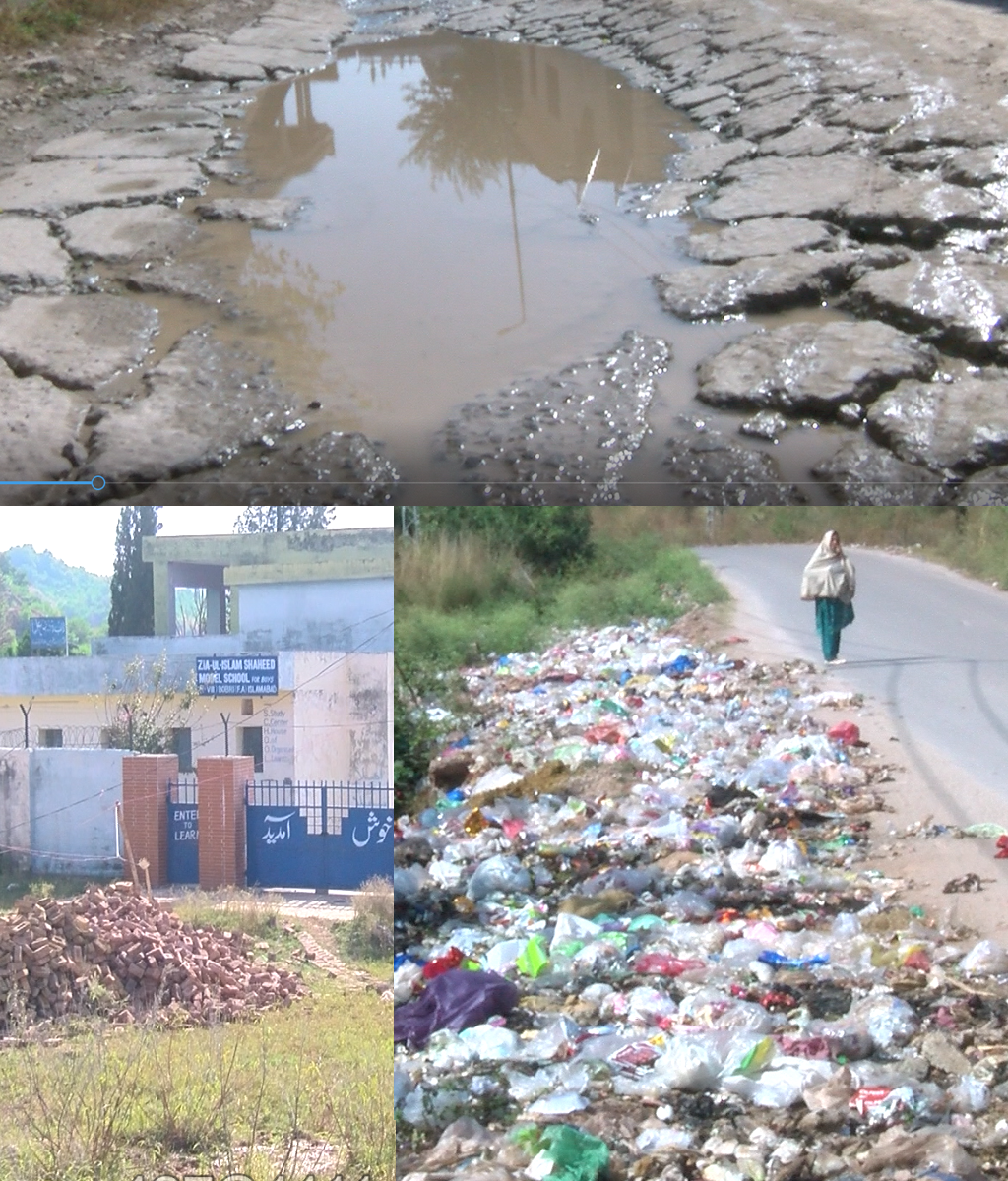
Deteriorating rural link roads and inadequate road maintenance, particularly in peripheral areas, hinder connectivity and access to essential services.

Drinking Water

As scarcity grows, much of the water that is available is also unsafe to drink.

No safe drinking water
36.76%
Filtration plants unfit
36
Waterworks unfit
42%
Tube wells unfit
17%

Poverty Rate

Despite its status as the federal capital, poverty in Islamabad remains a governance concern.

Poverty rate
3.5%
Intensity
41.0%

Health Indicators

Stunted Growth & Wasting

Child malnutrition remains significantly high in the federal capital.

Stunted
32.6%
Wasting
12.1%

Beds per 1,000 people

WHO recommends 5 beds per 1,000 people. Islamabad has 1.18.

Islamabad
1.18
WHO benchmark
5

Teaching & Specialized Hospitals

Islamabad has 15 teaching and specialized hospitals.

Islamabad
15

Child Health Crisis

Child survival indicators in Islamabad remain a serious concern.

Infant mortality
38
Neonatal mortality
31.8
Under-five mortality
30.5

Hospital Beds

Census-linked figures put total beds at about 8,693, most of them in the private sector.

Public
2,792
Private
5,901

Education Shortfalls

Out of School Children

The out-of-school rate in Islamabad is 15.06%. Census 2023 counts 89,127 children aged 5–16 out of school, out of 591,703.

Out of school
15.06%

Youth NEET Rate

The youth NEET rate in Islamabad is 73.30%.

Youth NEET rate
73.30%

Access to School

Access to school remains limited; only 16.5% never attended school.

Never attended school
16.5%

Judicial Stats

Islamabad High Court

More than 14,500 cases were pending in 2026, and the disposal rate that year was below 50%. A 2026 report puts pendency at 17,745 cases: 1,899 criminal and 15,846 civil. In the first six months, 6,326 new cases were filed and 4,730 were disposed of.

Islamabad Lower Courts

Pending cases in the district courts reached 46,979: 29,092 civil and 17,887 criminal. In the first six months, 56,708 cases were filed and 61,113 were disposed of. Fifty civil judges-cum-magistrates serve the east and west of the territory.

Annually Registered Crime Cases

In just nine months, Islamabad registered more than 4,500 crime cases.

Global Comparison:

  • Pakistan: 241.5 million people with 04 provinces
  • India: Had 9 states at independence; now has 37. New states are created every five years, doubling the pace of development.
  • China: 1.4 billion people with 31 provinces.
  • USA: 320 million people with 50 states.
  • Indonesia: 275 million people with 34 provinces.
  • Russia: 142 million people with 70 to 75 provinces.

More Videos

Chat with Us